Buying Avios in a sale: how to work out your break-even price per Avios before you buy
The most you should pay for an Avios in a sale depends on one trip. Take the cash fare for the flight you want, subtract the cash the reward booking asks for, and divide by the number of Avios that reward costs. The result is your ceiling. Buy only if the sale’s real price per Avios, after any bonus, is at or below that ceiling. Two further conditions apply: the reward seat must be showing as bookable, and you must know the Avios will reach your account before you need them.
The pounds-and-pence version of this test comes from the Airline Points Calculator buy Avios tool. It defines break-even as “the comparable cash fare minus the reward taxes, fees and carrier charges”, and notes that paying more than that for the Avios you need would make the trip cost more than paying cash. Dividing that figure by the Avios required is my own addition. It turns a total into a per-Avios number you can set directly against a sale price.
The short answer: three numbers and one comparison
You need three figures, all for the same booking:
- A: the cash fare you would otherwise pay for this trip.
- B: every cash charge on the reward booking.
- C: the Avios the reward costs.
Your break-even price per Avios is (A − B) ÷ C. The sale price per Avios is the total cash you pay ÷ the total Avios credited, including any bonus. If the sale price is at or below the break-even figure, buying the Avios makes this trip cheaper than paying cash, or at worst no dearer. If it is above, paying cash wins.
Apply the checks in this order: seat availability, then the calculation, then timing. A seat you cannot book makes the calculation irrelevant, however good the sale looks. A favourable calculation also does not override an unknown arrival time for the Avios. If any check fails, stop there.
Step 1: find the cash price for your planned flight
Price the same flights, dates, cabin and number of passengers you plan to book with Avios. Use the fare you would really buy, not the most expensive ticket on the page. If a cheaper cash flight an hour later would suit you just as well, that cheaper fare is your actual alternative. Use it for A. It lowers the ceiling, but it reflects the money you would actually spend.
A cash ticket and a reward ticket can differ in ways this calculation ignores, including fare rules, change terms and anything the cash ticket earns. The Airline Points Calculator test is explicitly framed as being “before considering other differences”. Weigh those factors separately rather than folding a vague allowance for them into A.
Step 2: add every reward-flight cash charge
The same tool’s instruction is to “include every reward-flight cash charge” (Airline Points Calculator). Take B from the final price shown for this booking, not from a figure you remember from another route or from a valuation guide. Only the booking screen shows what you will actually pay.
Keep both sides on the same basis. If A covers two passengers, B and C must cover two passengers as well. If the booking offers more than one combination of Avios and cash, each combination has its own break-even figure, so run the sum for the option you would choose.
Step 3: work out the break-even price per Avios
Subtract B from A, then divide by C. Convert the result to pence, which makes it easier to compare with sale prices. For example, £130 ÷ 18,000 Avios = £0.0072, which is 0.72p per Avios.
Then work out what the sale really charges. The Airline Points Calculator advises entering “the actual checkout price and the exact number of Avios you will receive, including any bonus”, and warns against relying on “an expired or targeted headline offer”. Divide the checkout total by the Avios credited. If the purchase is priced in another currency, convert it at the rate your card will apply, and ask your card provider whether it adds a fee for foreign-currency transactions.
Why the headline sale percentage is not your answer
A sale marketed as “40% off” or “100% bonus” only tells you how far the price has moved from the standard rate. To know what you will pay, you need that standard rate as well. The two common formats are also not equivalent. The arithmetic below works for any programme:
| Offer as advertised | What you pay per Avios, as a share of the standard rate |
|---|---|
| 40% off | 60% |
| 50% bonus | 66.7% (1 ÷ 1.5) |
| 100% bonus | 50% (1 ÷ 2) |
A 50% bonus is therefore a weaker deal than 40% off on the same base rate. The base rate matters just as much. With invented figures, 40% off a standard rate of 1.30 per Avios gives 0.78, while 40% off a rate of 2.00 gives 1.20. The headline percentage is identical, but one result might clear your ceiling and the other might not.
Bonuses carry a second trap. A bonus that only applies above a certain purchase size can lower the per-Avios price while pushing your total spend past what the trip justifies. Always repeat the check in pounds: the total purchase cost must not exceed A − B.
Worked example: a short-haul European redemption
The figures in both examples are invented to show the arithmetic. They are not current British Airways fares, charges or Avios prices.
Suppose a return flight within Europe costs £180 in cash. The same flights as a reward cost 18,000 Avios plus £50 in charges. The calculation is (£180 − £50) ÷ 18,000, which gives a break-even price of 0.72p per Avios.
Now suppose a sale works out at 1.1p per Avios at checkout. Buying 18,000 Avios would cost £198. Add the £50 in charges and the trip costs £248, against £180 in cash. Buying would leave you £68 worse off, so you should pay cash.
Even a sale at 0.7p only just clears this ceiling. You would pay £126 for the Avios plus £50 in charges, a total of £176, which saves £4. A margin that small vanishes if the cash fare drops slightly or your card adds a foreign-currency fee. Cheap cash fares produce low ceilings, so sales rarely beat them.
Worked example: a long-haul premium cabin redemption
Suppose a long-haul premium cabin return costs £3,200 in cash. The reward costs 150,000 Avios plus £900 in charges. The calculation is (£3,200 − £900) ÷ 150,000, which gives a break-even price of about 1.53p per Avios.
At the same 1.1p sale price, 150,000 Avios cost £1,650. Add £900 in charges and the trip costs £2,550, saving £650 against cash. That is a real margin.
Now change one number. If the reward charges were £1,400 instead of £900, the break-even price falls to 1.2p, and at 1.1p the saving shrinks to £150. With everything else held equal, the charges decide whether the purchase is comfortable or marginal. That is why B has to come from the live booking screen.
Most readers won’t buy the full 150,000. If you already hold 120,000 Avios and buy a 30,000 top-up at 1.1p for £330, the purchase clears the ceiling easily. The calculation answers whether bought Avios beat cash for this trip. Whether spending your existing balance on this trip beats keeping it for something else is a separate judgement.
What to check on screen before you buy
Before you pay, get answers to these questions from the seller’s checkout page or terms, not from memory or a promotional email.
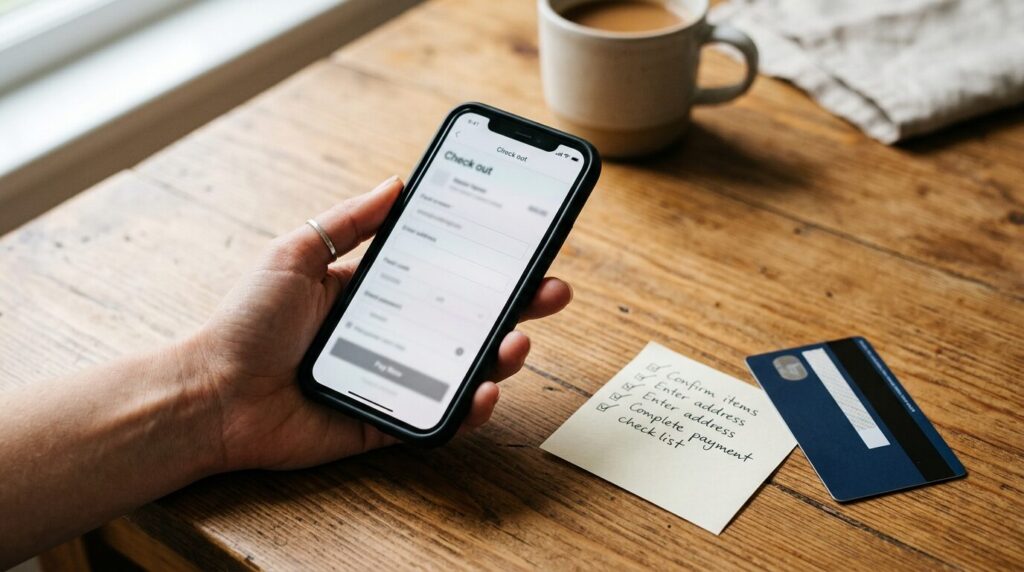
- Is the reward seat still showing for your flights, cabin and passenger count, all the way to the payment step?
- What is the checkout total, and in which currency?
- Exactly how many Avios will be credited, including the bonus? Is the bonus credited at the same time as the base Avios, or later?
- Is your account eligible for this offer, or is the price you saw a targeted rate that may not apply to you?
- When will the Avios arrive, and what happens if the seat disappears before they do?
The Airline Points Calculator says buying is “easiest to assess when the reward seat is visible and you only need a top-up”. These questions turn that advice into checks you can complete before paying.
When the break-even price makes buying impossible
If the reward charges equal or exceed the cash fare, A − B is zero or negative. No sale price can work, because even free Avios would not make the reward cheaper than cash. Pay cash.
The other dead end is a purchase that only comes in blocks larger than you need. Compare the full purchase cost with A − B, and treat any leftover Avios as worth nothing unless you already have a specific next trip for them. Don’t use the leftovers to justify the purchase. The Airline Points Calculator puts it bluntly: “Avoid buying a large balance without a near-term use.” Speculative buying also has no break-even figure to test against, because there is no A, B or C until a trip exists.
For the related case where you are only a few thousand Avios short on a BA booking, see buy the gap or pay cash to reduce the Avios required. The same principle applies to hotel bookings: count everything the reward saves you on the cash side, as in our piece on Hilton resort fees.
Timing: redemption must be confirmed before the purchase
Work in this sequence: find the seat, run the numbers, buy the Avios, then book. The risk lies in the gap between buying and booking. If the Avios take time to arrive and the seat goes in the meantime, you are left holding a balance you bought for a trip you can no longer take.
I don’t have reliable data on how long purchased Avios take to arrive, so I can’t give you a figure. Ask the seller before you pay. If they can’t tell you when the Avios will arrive, or what happens if the seat vanishes first, treat that as a failed check, even when the price is well under your ceiling.
Buy Avios in a sale only when the post-bonus checkout price per Avios is at or below (cash fare − reward charges) ÷ Avios required for that specific trip, the reward seat is bookable, and you know the Avios will arrive in time. If any of those fails, pay cash or wait for the next sale.


You May Also Like
Can I Buy British Airways Tier Points?

The Heathrow Pods Return!