Virgin Atlantic Upper Class in 2026: Are Surcharges Worth It?
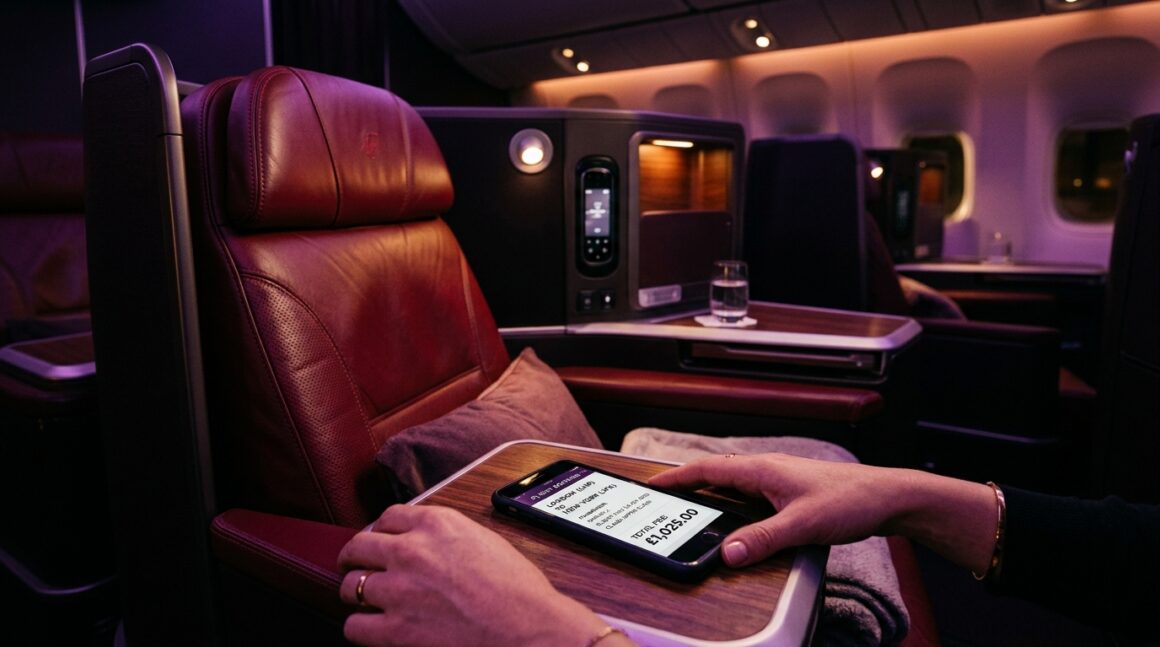
You finally hit the required points balance. You search for a Virgin Atlantic Upper Class seat to New York, click through to the final payment screen, and stare at the total. The cash component for your “free” flight is sitting at £1,025. If you want to fly further to Los Angeles, you are looking at roughly £1,120.
This is the reality of the Virgin Points ecosystem in April 2026. Earning the currency has never been easier, but spending it on premium cabins requires a serious cash outlay. Many readers at Points Uncovered are currently holding large balances and unused companion vouchers, wondering if the maths still makes sense.
The short answer is yes, the underlying value is still there. But you have to accept that a reward flight is no longer a free holiday. It is a heavily discounted premium ticket. Let’s break down exactly where that £1,000 goes and whether you should keep collecting Virgin Points.
Why a free Upper Class seat costs over £1,000 in 2026
The £1,025 fee on a standard New York reward flight is driven by Virgin Atlantic’s refusal to drop its carrier-imposed surcharges, combined with the recent April 2026 hike in UK Air Passenger Duty.
When you book a reward flight, the airline breaks the cash component down into government taxes, airport fees, and airline surcharges. The government portion is unavoidable. As of 1 April 2026, the UK government increased Air Passenger Duty (APD) for long-haul premium cabins. Anyone flying in a cabin above economy on a flight over 2,000 miles now pays £216 just to leave the country.
The rest of the cash hit comes directly from Virgin Atlantic. Historically called a fuel surcharge and now simply labelled a carrier-imposed surcharge (YQ), this fee routinely makes up £600 or more of your total bill. Virgin has held firm on this pricing model despite massive shifts elsewhere in the industry. They keep the points requirement relatively low—95,000 Virgin Points for a standard season return to JFK—but pass the bulk of their operating costs directly to you in cash.
Comparing the British Airways Avios alternative
British Airways requires significantly more points for a business class flight but caps the cash fees at a much lower rate than Virgin Atlantic.
The contrast between the two major UK carriers is stark right now. British Airways transitioned to a Reward Flight Saver (RFS) model for long-haul flights. They removed the massive carrier surcharges and replaced them with a flat fee. A British Airways Club World return to JFK currently costs 160,000 Avios and exactly £350 in cash.
Virgin Atlantic asks for 95,000 points and £1,025. You are essentially trading 65,000 points to save £675 in cash.
I speak to plenty of travellers who prefer the BA model because it feels like a genuine reward. Handing over £350 is palatable. Handing over £1,025 feels like buying a ticket outright. However, if you are points-poor and cash-rich, Virgin’s model gets you into a flat bed much faster. Earning 95,000 points takes considerably less spending than earning 160,000.
The reality of dynamic pricing this summer
Finding a seat at the standard 95,000-point Saver rate requires immense flexibility because Virgin’s dynamic pricing engine now routinely pushes summer 2026 flights to well over 180,000 points.
Virgin Atlantic fully embedded dynamic pricing into its booking engine late in 2024. This means the price of a seat in points fluctuates based on demand, much like a cash ticket. The 95,000-point rate still exists, but these are “Saver” seats. They disappear fast during school holidays or peak summer weekends.
If you need to fly on specific dates this summer, you will likely encounter dynamic rates pricing a return to the US between 180,000 and 250,000+ points. The worst part? You still have to pay the £1,000+ in cash surcharges on top of the inflated points price. Paying 250,000 points and £1,000 for a flight to New York destroys the value of your points entirely.
Does the credit card companion voucher fix the maths?
The Virgin Atlantic credit card companion voucher does not cover taxes or fees, meaning you will still pay over £2,050 in cash for two Upper Class tickets to the US.
The Virgin Atlantic Reward Plus Mastercard is incredibly popular, especially with the current April 2026 promotion offering up to 36,000 Virgin Points for new sign-ups. When you spend £10,000 on the card in a year, you trigger a companion voucher. Many people assume this means a “buy one, get one free” scenario.
The small print is frustrating. The voucher only waives the points required for the second passenger. Both passengers must pay the full £1,025 in taxes and surcharges. Your “free” second ticket still costs over a grand.
The rules get worse if you hold Red tier status in the Flying Club. Red tier members using a companion voucher for Upper Class must still pay 50% of the points for the second seat. Only Silver and Gold members get the companion seat for zero points. You need to calculate whether dropping £2,050 in cash makes sense for your travel budget before assuming the voucher solves the premium cabin problem.
Upgrading from Premium Economy to Upper Class
Using points to upgrade a cash Premium Economy ticket to Upper Class still triggers a hefty cash charge because you must pay the difference in taxes and carrier fees between the two cabins.
A common strategy is buying a reasonably priced cash fare in Premium Economy and using Virgin Points to bump up to the flat beds in Upper Class. The points cost for this is usually quite reasonable. The trap is the recalculation of taxes.
Because Virgin applies different carrier surcharges to different cabins, your upgrade triggers a new cash bill. On US routes, the difference in fees between Premium and Upper Class is frequently £400 to £500. You pay the points, and then you hand over another £450. It is still cheaper than buying Upper Class outright, but you must factor this secondary cash hit into your plans.
Practical strategies to reduce your cash outlay
The most effective way to lower the cash cost of a reward flight is to use your Virgin Points to book SkyTeam partner airlines like Air France or KLM rather than flying Virgin direct.
You do not have to spend your points on Virgin Atlantic metal. Since Virgin joined SkyTeam, their points act as a currency for the whole alliance. Here are the best ways to bypass the worst of the surcharges:
- The SkyTeam Pivot: Book a Business Class flight from the UK to the US via Paris (CDG) or Amsterdam (AMS) flying Air France or KLM. While you still pay the UK APD on the first leg, the carrier surcharges applied by these European airlines are often much lower than Virgin’s. You can easily save hundreds of pounds by accepting a short layover.
- One-Way US Origins: If you book a one-way ticket from the US to the UK, you completely avoid the £216 UK APD. Virgin will still apply hefty US-originating carrier fees, but the total cash bill drops significantly compared to a UK departure.
- Look East: Routes outside the US sometimes feature slightly lower carrier surcharges. Flights from Heathrow to Mumbai or the Maldives occasionally price out better, though you will still rarely pay less than £600 return.
The honest verdict on Virgin Points in 2026
Redeeming Virgin Points for Upper Class remains mathematically worthwhile because the cash value of the ticket still yields a return well above 2.5p per point, despite the painful surcharges.
We have to separate the emotional pain of a £1,025 fee from the cold mathematics of the redemption. A cash ticket for a Virgin Atlantic Upper Class return to New York frequently costs around £3,500. If you pay 95,000 points and £1,025 in cash, your points are covering £2,475 of the fare.
That gives you a value of 2.6p per Virgin Point. That is an exceptional return. The accepted floor value for Virgin Points is 0.5p—which is exactly what you get if you spend them on sausage rolls or cinema tickets via the Virgin Red app. By flying Upper Class, you are multiplying the value of your points by five.
The reality is simple. Virgin Atlantic Upper Class is no longer a cheap redemption, but it is a highly valuable one. If you have the cash flow to cover the taxes and the flexibility to find Saver reward seats, the Virgin Atlantic Reward Plus card and its companion voucher remain powerful tools. Just go into the booking process with your eyes wide open about the final bill.
Ready to optimise your redemption strategy? You can explore more guides on Points Uncovered.


You May Also Like

What’s A Positioning Flight? And How Can It Save Me Money?

Defeating Hilton’s Dynamic Pricing: 3 Redemptions Over 0.5p in 2026