
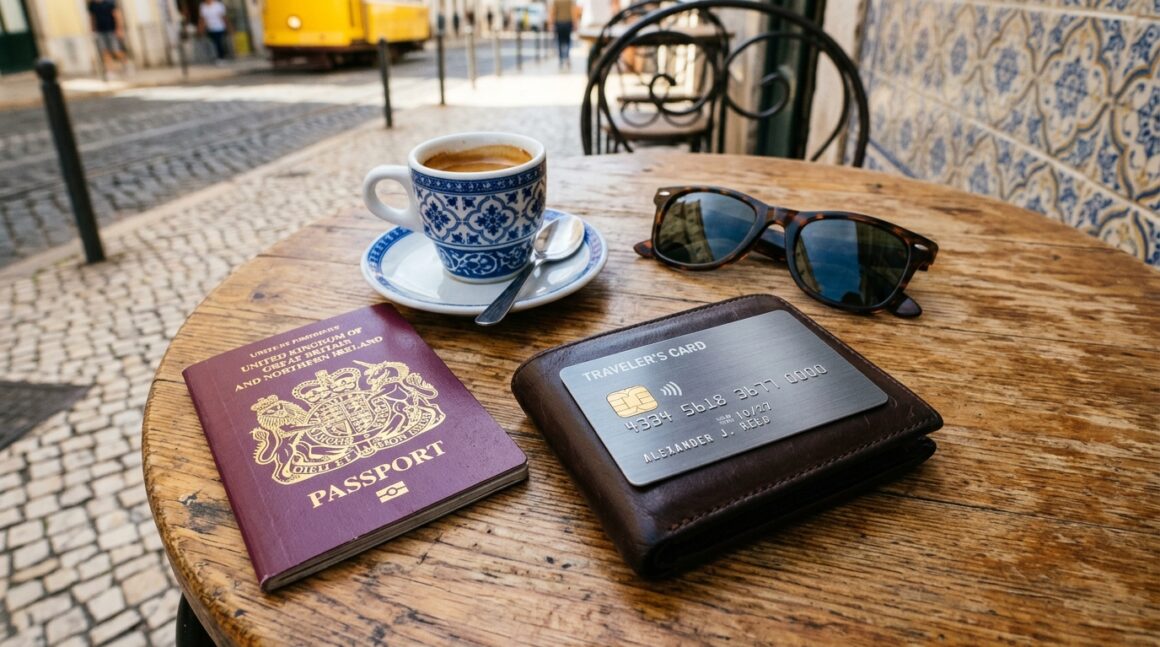
Earning Points on Non-Sterling Spend: Best UK Zero-FX Strategies for 2026
Summer 2026 is here, the new EU EES border system is fully live at airports like Faro, and you are probably finalising your travel wallet. The generic advice handed out to holidaymakers is simple: pack a Monzo or Chase card. But for readers of Points Uncovered, leaving thousands of points on the table during a two-week family holiday is painful. Hotels, dining, and car hire add up fast. You want to capture that spend.
Here is the reality. Paying a 3% fee to earn a 1% return in Avios is a terrible trade. The points and miles game is entirely about exploiting margins, and using a standard UK reward credit card abroad puts you on the losing side of the math. Let’s break down exactly how you can earn points on non-sterling spend in 2026 without getting fleeced by foreign exchange fees.
The brutal maths of standard credit cards abroad
Almost all UK rewards credit cards, including heavyweights like the British Airways American Express Premium Plus, charge a 2.99% non-sterling transaction fee on foreign spend. This fee completely wipes out the value of any points you earn.
Think about a typical summer holiday to Europe. If you spend £4,000 on hotels, meals, and excursions using your BA Amex Premium Plus, you will earn 6,000 Avios. That sounds great until you look at your statement. The 2.99% FX fee means you have paid £119.60 directly to American Express for the privilege of making those transactions.
You have effectively bought those 6,000 Avios for 1.99p each. I value an Avios at roughly 1p. You are paying double what the points are worth. Unless you are desperately trying to hit a sign-up bonus or a specific spend trigger, using a standard reward card abroad is a mathematical failure. You need a dedicated strategy to bypass that 2.99% penalty.
Amex Gold double points: A trap to avoid
The American Express Preferred Rewards Gold Card earns 2 Membership Rewards points per £1 on foreign spend, which looks like a generous solution on paper. It is a trap.
Amex heavily promotes this double-points feature to encourage overseas spending. Let’s run the numbers. You earn 2 points per £1 spent. If we value Membership Rewards points at a standard 1p each, you are getting a 2% return on your spending. However, the Amex Gold card still applies the standard 2.99% non-sterling transaction fee to every purchase.
You are paying 2.99% to earn a 2% return. That leaves you taking a net loss of almost 1% on every single transaction you make abroad. The double points simply soften the blow of the FX fee; they do not negate it. Put the Amex Gold away when you leave the UK.
The Curve and Barclaycard Avios Plus strategy
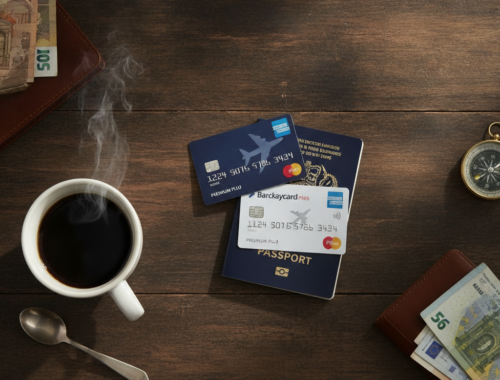
Linking a free Curve card to a Barclaycard Avios Plus is the most effective way to earn Avios on foreign spend without paying FX fees, provided you only use it on weekdays.
Curve is a digital wallet card that fronts your other credit cards. When you make a purchase abroad with a Curve card, Curve processes the transaction, converts the currency at the Mastercard wholesale rate, and then charges the underlying card in GBP. Because the Barclaycard Avios Plus sees a transaction in pounds sterling, it does not charge its own 2.99% FX fee. Instead, it simply awards you the standard 1.5 Avios per £1 spent.
This is a brilliant workaround. You get zero FX fees on the transaction and still earn a high rate of Avios. But there is a catch you must navigate carefully.
Dodging the weekend surcharge
Curve applies a 1% foreign exchange fee on weekends. This kicks in precisely between Friday 23:59 and Sunday 23:59 UK time for major currencies like Euros and US Dollars.
If you use your Curve-fronted Barclaycard on a Saturday, that 1% fee eats into the value of your 1.5 Avios. It is still better than the 2.99% Amex fee, but it is no longer optimal. My approach is strict: I use the Curve setup from Monday to Friday for large hotel bills and dinners, and switch to a completely fee-free debit card on the weekend.
The Virgin Atlantic Reward+ European loophole
The Virgin Atlantic Reward+ Credit Card (£160 annual fee) charges 0% FX fees on in-person transactions within the European Economic Area (EEA), making it a powerhouse for summer holidays to Spain, Greece, and Portugal.
This benefit is entirely unique in the UK rewards card market. While Virgin has recently shifted its route network—cutting Dubai, pausing Seattle, but boosting South Africa—you do not need to be flying Virgin Atlantic to take advantage of this perk. Any in-person tap or chip-and-pin transaction in the EEA is processed at the Mastercard exchange rate with zero markup.
You earn 1.5 Virgin Points per £1 spent, completely free of FX fees. There are a few strict limitations to remember. First, it only applies within the EEA. Take this card to the United States or Switzerland, and you will be hit with the standard 2.99% fee. Second, it only applies to in-person transactions. If you book a European train ticket online while sitting in your hotel in Rome, the transaction counts as online spend and triggers the 2.99% fee. Keep it strictly for physical card machines.
Revolut Premium and the RevPoints ecosystem
Following the May 2026 pricing updates, Revolut Premium costs £9.99 per month and allows you to earn transferable RevPoints while offering up to £3,000 per month in fee-free currency exchange.
Revolut is no longer just a prepaid travel card; it is a full-fledged loyalty ecosystem. RevPoints transfer 1:1 to Avios and Flying Blue. On the Premium tier, you earn 1 point for every £2 spent. If you max out your £3,000 fee-free exchange limit on a holiday, you will generate 1,500 points.
The math here requires a broader view. You are paying £9.99 a month for the Premium tier. If you only use Revolut for two weeks a year, paying £120 annually just to earn a few thousand Avios and avoid FX fees makes no sense. But if you already hold Revolut Premium for its travel insurance, discounted lounge access, or everyday banking features, the ability to earn Avios on foreign spend is an excellent secondary benefit.
Chase UK: The reliable cashback alternative
Chase UK offers 1% cashback on everyday debit card spending with zero foreign exchange fees worldwide, capped at £15 per month.
Sometimes the pursuit of points blinds us to the value of cold hard cash. Chase uses the Mastercard exchange rate without adding a penny in markup. The 1% cashback means you are actively being paid to spend money abroad. Because the cashback is capped at £15 per month, you will max this out after spending £1,500.
For a solo traveller or a short weekend break, £1,500 is often plenty. Once you hit that cap, you can switch to another zero-FX option. It lacks the glamour of earning First Class flight redemptions, but a guaranteed 1% return with zero fees is mathematically superior to almost every point-earning credit card on the market.
Hitting a BA Amex Companion Voucher trigger abroad
British Airways and Amex are currently pushing their 25th-anniversary promotions, and many people will consider taking the 2.99% FX hit on holiday simply to cross the £15,000 spend threshold for their Companion Voucher.
This is the only scenario where using a standard reward card abroad makes sense, but you must calculate the cost. If you are £2,000 away from triggering your voucher and your membership year ends next week, spending that £2,000 on holiday will cost you £59.80 in FX fees.
A long-haul BA Companion Voucher in Club World is easily worth £500 to £1,000. Paying £59.80 to secure a £1,000 benefit is a perfectly logical decision. However, if your membership year does not reset for another six months, do not rush it. Use a zero-FX strategy on holiday and hit your £15,000 trigger through regular UK grocery and household spending later in the year.
The DCC trap: Never pay in pounds
Dynamic Currency Conversion (DCC) is a system where a foreign payment terminal offers to charge your card in British Pounds instead of the local currency, applying a hidden markup that averages between 5.5% and 7.5%.
This happens constantly across Europe. You buy a coffee in Madrid, and the card machine asks if you want to pay in Euros or GBP. The GBP option always looks safer because the number is familiar. Do not do this. The merchant’s bank is giving you a terrible exchange rate and pocketing the difference.
Always press the button for the local currency. Let your own bank or your Curve card handle the conversion at the wholesale rate. If you accept DCC, you lose any mathematical advantage you gained by selecting the right travel card. You are simply handing 7% of your money to a foreign bank.
Verdict: The best zero-FX strategy for 2026
Honestly, I am not convinced the maths of paying monthly subscriptions specifically for travel spend works for most people. The best strategy depends entirely on your existing wallet.
If you already hold the Barclaycard Avios Plus, linking it to a free Curve card for weekday spending is the absolute best way to earn Avios abroad in 2026. You get 1.5 Avios per £1 and pay zero fees. Just remember to switch to a Chase debit card on Saturday and Sunday.
If you hold the Virgin Atlantic Reward+ card, keeping it in your pocket for in-person European dining and hotel bills is a no-brainer. Earning 1.5 Virgin Points with zero FX fees in the EEA is a brilliant, hassle-free benefit.
For everyone else, keep it simple. Take a Chase UK card, enjoy the zero fees, take your £15 cashback, and enjoy your holiday. Stop paying 2.99% to American Express for points you could buy cheaper elsewhere.
If you want to optimise your everyday UK spending when you get home, explore more guides on Points Uncovered.


You May Also Like
The Optimal 2026 UK Credit Card Application Flow for Avios Beginners

Stop Wasting the Barclaycard Avios Upgrade Voucher: 3 High-Value Redemptions for 2026