
J.P. Morgan 10,000 Avios Promo: A Hard Look at the Hidden Costs
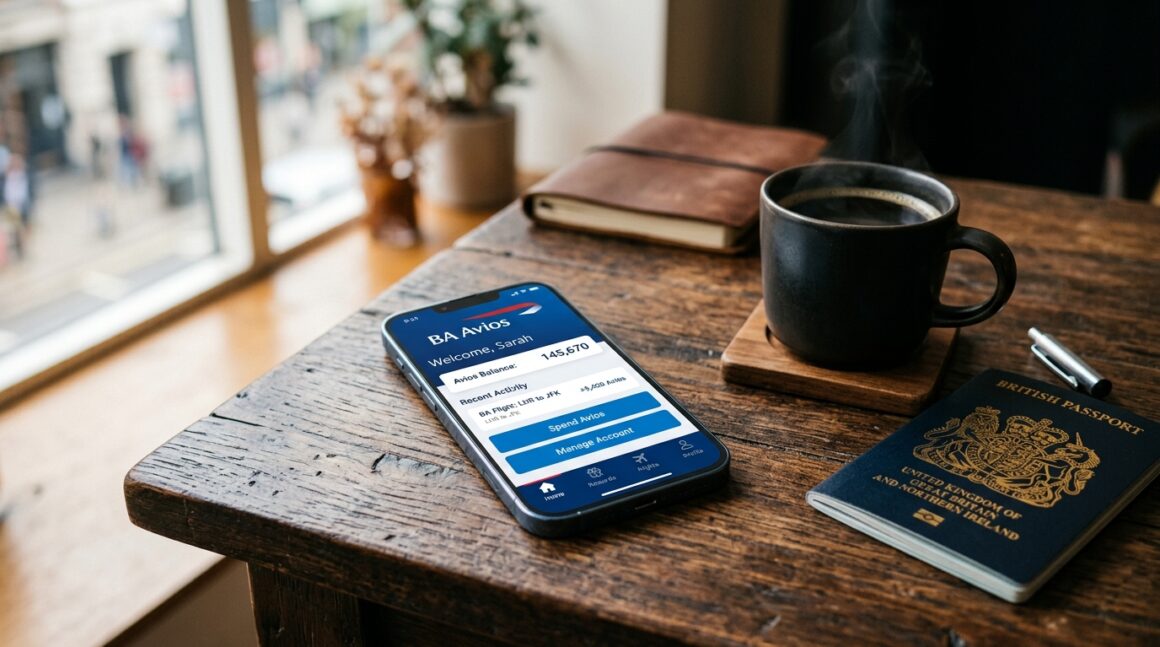
Uber just gutted its Avios earning rates on 15 June 2026. If you rely on those small, steady top-ups to keep your British Airways balance healthy, you are probably looking for a replacement right now. J.P. Morgan Personal Investing has stepped into the gap with an aggressive acquisition offer: 10,000 Avios when you open a new account and invest a minimum of £500 by 31 July 2026.
On the surface, this looks like an easy win. Wealth apps and retail banks are increasingly using airline miles as an acquisition tool, knowing that the lure of a free flight often blinds consumers to platform fees and market volatility. We saw it with Barclays Avios Rewards, and now J.P. Morgan is leveraging the Nutmeg and Chase UK infrastructure to buy customers on the cheap.
As regular readers of Points Uncovered know, free points are rarely entirely free. You need to look at the opportunity cost of tying up your cash, the platform fees dragging on your balance, and the strict clawback rules hidden in the terms and conditions. Here is the exact breakdown of whether you should park £500 with J.P. Morgan this summer.
What the J.P. Morgan 10,000 Avios promotion actually is
The mechanics of this offer require you to open a new J.P. Morgan Personal Investing account, deposit a minimum of £500, and keep the money invested. In return, J.P. Morgan will credit your British Airways Executive Club account with 10,000 Avios. This is double their standard 5,000 Avios sign-up incentive, making it a highly attractive baseline offer for mid-2026.
You have until 31 July 2026 to fund the account. The £500 barrier to entry is exceptionally low compared to the wealth management promotions we usually see. Previous offers from high-street banks have demanded deposits of £5,000 to £10,000 to unlock similar rewards. Dropping the requirement to £500 opens this up to almost anyone with a bit of spare cash.
The Avios are typically credited within a few weeks of the funds clearing and being invested in the market. You do not need to be an existing Chase UK customer to trigger this, though the underlying technology running the platform is deeply integrated with the wider J.P. Morgan UK ecosystem.
The true cost of buying points through this wealth offer
You are not getting these 10,000 Avios for free. The real cost of this promotion sits at roughly £30 when you calculate the platform fees and the lost savings interest over the mandatory 12-month holding period.
J.P. Morgan charges a platform fee of 0.75% for managed portfolios up to £100,000. On top of that, you pay the underlying fund costs, which average between 0.15% and 0.30%. On a £500 balance, you are looking at roughly £4.50 to £5.25 in total fees over a year. That is the direct financial drain on your capital.
Then you have the opportunity cost. The best UK easy-access savings accounts are currently yielding between 4.5% and 5% in June 2026. If you kept your £500 in cash rather than investing it with J.P. Morgan, you would earn a guaranteed £22.50 to £25 over 12 months with zero risk to your capital.
Combine the fees and the lost interest, and you are effectively “paying” £30 for 10,000 Avios. Buying 10,000 Avios directly from British Airways outside of a promotional bonus currently costs £175. When you view it through that lens, the maths is incredibly strong. You are acquiring Avios at 0.3p each instead of the standard 1.75p direct purchase price.
Why you should use a general investment account
Do not use your annual ISA allowance for this promotion. You should open a General Investment Account (GIA) instead. While UK tax rules now allow you to open and fund multiple ISAs of the same type in a single tax year, mixing a small promotional play into your wider tax strategy is a mistake.
Your ISA allowance is incredibly valuable for long-term wealth building. Fragmenting it across different providers just to chase 10,000 Avios creates unnecessary administrative headaches. A General Investment Account keeps this £500 entirely separate from your serious retirement or housing deposits.
The tax implications of a GIA on a £500 balance are basically non-existent for the vast majority of people. Unless you have massive capital gains elsewhere, the tiny amount of growth or dividend income generated by a £500 deposit will comfortably sit within your standard tax-free allowances.
The 12-month clawback rule and market risks
J.P. Morgan requires you to keep your £500 invested for a minimum of 12 months. If you withdraw the funds early, they reserve the right to claw back the 10,000 Avios or charge you the cash equivalent. You must be prepared to lock this money away until summer 2027.
The other reality you need to accept is market risk. Your £500 is not sitting in a cash savings account. It is exposed to global equities and bonds. If the stock market drops 10% by the end of 2026, your £500 balance will shrink to £450. You must be comfortable with the fact that your capital can go down as well as up.
This is why treating the offer as a synthetic points purchase is the safest psychological approach. Even if the market drops and you lose £50 of your initial capital, you still acquired 10,000 Avios for significantly less than the £175 British Airways would charge you. You are insulated against moderate market dips by the sheer value of the upfront points.
How this compares to Barclays and Amex right now
June 2026 is a highly aggressive month for points acquisition in the UK. Comparing the J.P. Morgan offer to the rest of the market shows exactly why this £500 play is so appealing. It is a completely passive points strategy.
American Express is currently pushing its limited-time ‘Invite a Friend’ offers, handing out up to 90,000 points until 21 July. That is a massive haul, but it requires thousands of pounds in organic credit card spend within a few months. Virgin Atlantic is offering a 70% bonus on purchased points until 7 July, but that requires you to hand over hard cash with no prospect of getting your capital back.
Barclays Avios Rewards is the closest comparison in the banking sector. Barclays gives you 1,500 Avios a month, totalling 18,000 a year. But they charge a £12 monthly fee and demand a hard switch of your primary current account. J.P. Morgan is much less intrusive. There is no banking switch, no monthly direct debit requirements, and no minimum spend targets. You just park the cash and wait.
Practical strategy for Points Uncovered readers
If you decide to pull the trigger on this offer before the 31 July deadline, you need a clear exit strategy. The business model for these wealth promotions relies entirely on customer inertia. They want you to deposit the £500, collect the points, forget the account exists, and quietly pay platform fees for the next decade.
Here is exactly how you should handle the J.P. Morgan promotion.
- Treat the deposit as an Avios transaction rather than a retirement plan. Pick a broadly diversified, lower-risk fund to minimise capital volatility. Your goal is to preserve the £500, not double it.
- The moment your account is open and funded, set a calendar reminder on your phone for 12 months and one day in the future.
- When that reminder goes off in summer 2027, review the account. If the platform is not serving your wider financial goals, liquidate the assets and close the account to stop the fee drain.
- Deploy the Avios immediately. 10,000 Avios is enough for a one-way Reward Flight Saver to Zone 1-3 European destinations. Pair this with the current British Airways June Sale or the newly announced Avios-Only flights to Tenerife and Reykjavík, which start at just £5 plus Avios.
My honest verdict on the J.P. Morgan offer
Honestly, I am not convinced most people should treat this as a serious wealth-building tool. The platform fees are a bit high compared to cheaper DIY brokers, and a £500 deposit is not going to secure your financial future. But as a travel rewards strategy? This is genuinely impressive.
The part I keep coming back to is the £500 entry point. Earning 10,000 Avios usually requires spending £10,000 on a standard British Airways Amex card. Getting that same return for temporarily parking £500 in a globally diversified index fund is a completely asymmetric return on your money.
Yes, the small print demanding a 12-month lock-in is annoying, and the risk of capital loss is real. But if you value Avios at a conservative 1p each, you are getting £100 of travel value upfront. Even in a worst-case scenario where the market drops 10% and platform fees eat another £5, you are still mathematically ahead.
If you have £500 in cash that you do not need for the next year, and you understand the market risks involved, this is one of the smartest ways to bridge the gap left by Uber’s recent earning cuts. Just make sure you set that calendar alert for 2027 so J.P. Morgan does not end up winning the long game.
Ready to optimise the rest of your travel wallet? You can explore more guides on Points Uncovered to find the best current sign-up offers.


You May Also Like
Have British Airways Elite Status? It’s FINALLY getting extended.

Oman Air First Class with Avios: How to book the 787-9 suite